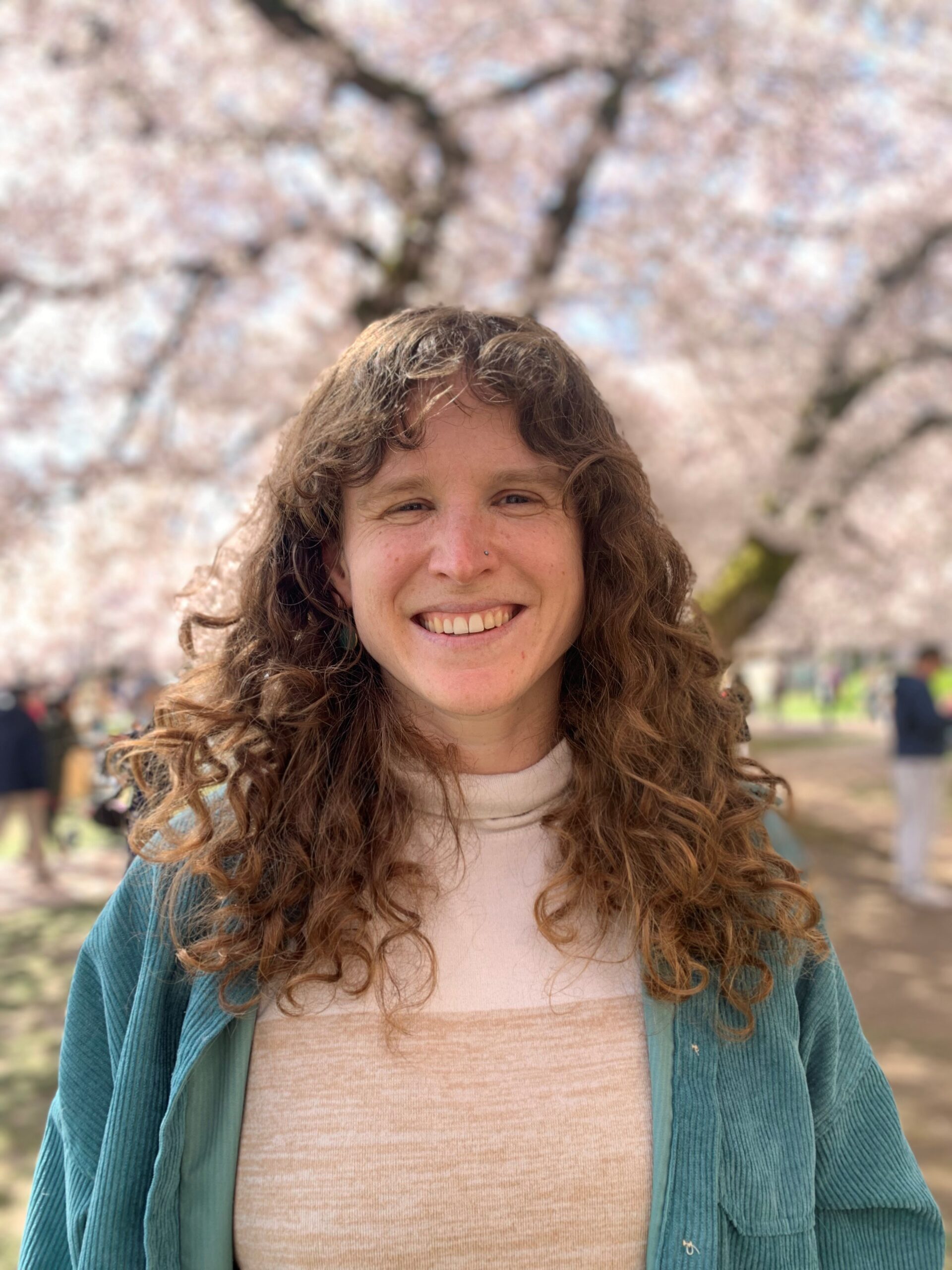
About Julia
Before training as a therapist, Julia spent about ten years in mental health and addiction research, most recently as a Research Scientist at the University of Washington. Her research focuses on substance use treatment, bringing mental health services into primary care, and postpartum depression. Her work has been guided by the question: how can mental health care reach the people who need it most? That work taught her to ground therapy in the best available evidence, while recognizing that much of what matters in therapy often can’t be measured. In her practice, she connects the data to stories.
Julia sees physical and mental health as deeply connected. Stress shows up in sleep, appetite, and the body, and illness or chronic pain shapes mood, relationships, and family relationships. Drawing on her training in Medical Family Therapy, she pays attention to how health, medical care, and family relationships affect one another.
Julia believes most change happens in relationships: between therapist and client, between partners, and between parents and children. Her work draws on narrative therapy to help clients separate themselves from their problems. With couples, she uses Emotionally Focused Therapy to help partners see the cycle that keeps them stuck. With children, she uses child-directed play and art. With individuals, she draws on Internal Family Systems to help people understand and accept all parts of themselves.
Julia has long used creative tools to help people tell their stories. Early in her career, she designed art-based activities for children and used PhotoVoice, a photography-based method, to help people share their experiences. She brings that same approach to therapy, using drawing, clay, and visual family maps to help children and families see their relationships in new ways. Originally from the Netherlands, Julia grew up speaking Dutch and English at home.